
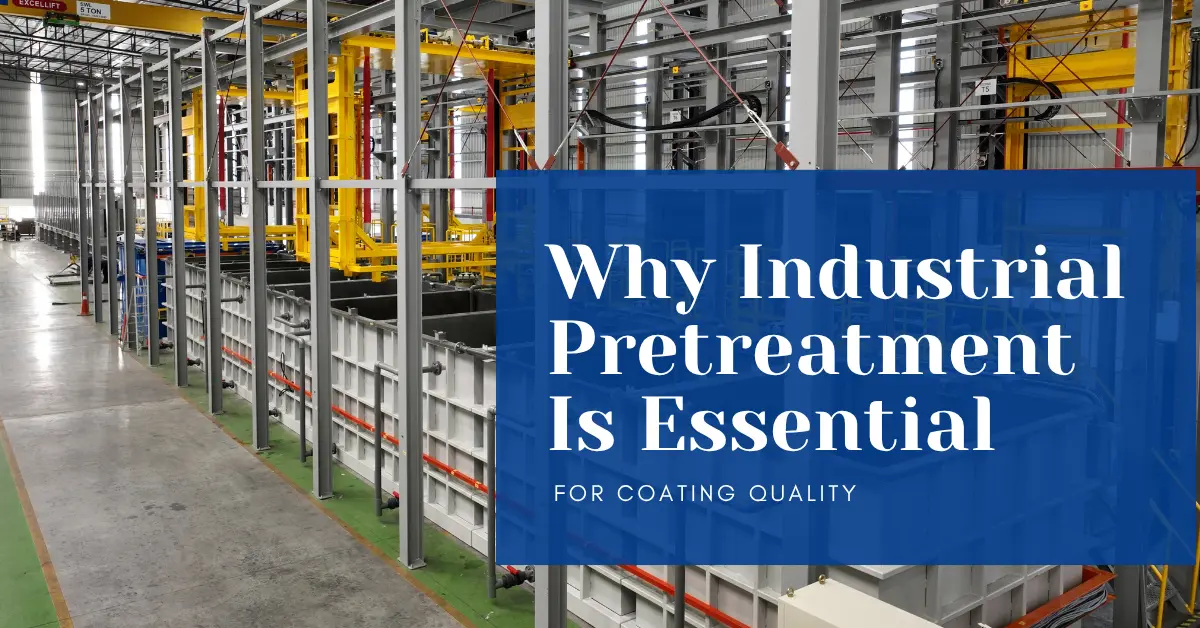
A high-quality coating starts long before paint or powder is applied. For manufacturers, proper surface preparation is an important step in achieving consistent coating quality, reliable adhesion and long-term product performance.
An industrial pretreatment line prepares components for subsequent coating processes by removing contaminants and, where required, conditioning the surface to support coating performance. Without suitable pretreatment, even a well-designed coating system may struggle to deliver the desired finish.
In this article, we explore how industrial pretreatment works, why it matters and what manufacturers should consider when selecting a pretreatment system.
What Is Industrial Pretreatment?
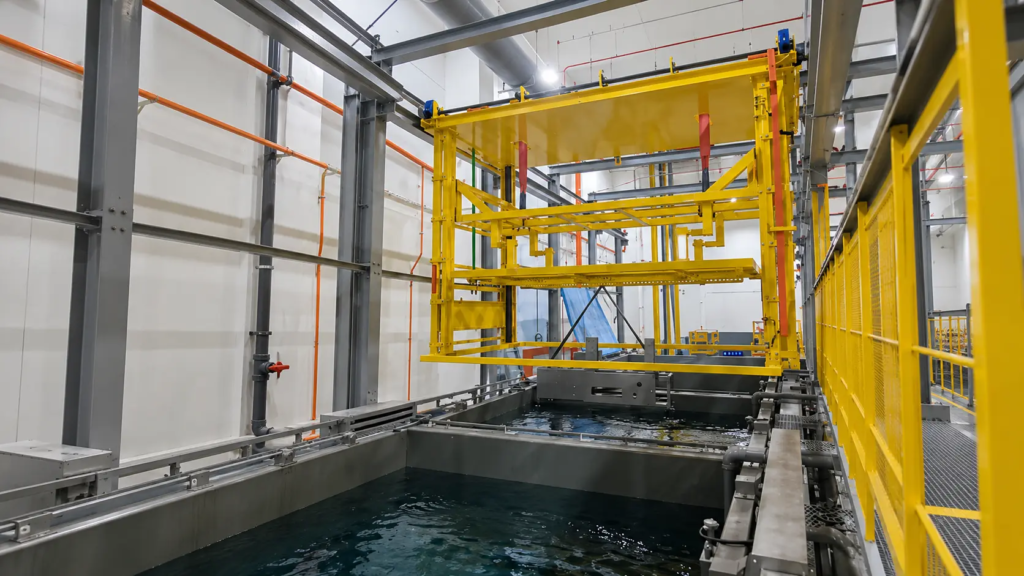
Industrial pretreatment is the process of preparing a component’s surface before applying a coating, such as powder coating, wet paint or an electro-deposition (ED) coating.
Depending on the material, contamination level and coating requirements, the process may involve several stages, including:
Degreasing: Removes oil, grease and other surface contaminants.
Rinsing: Removes cleaning solution and residual contaminants from the component.
Surface conditioning or conversion treatment: Creates a suitable surface condition for the intended coating system, where required.
Final rinsing: Removes remaining treatment residues according to the process specification.
Drying: Removes moisture before the component moves to the next stage, where required.
Not every application requires all these stages. The actual process depends on the substrate, coating specification, product geometry and applicable quality requirements.
Why Is Pretreatment Important for Coating Quality?
1. Supports Coating Adhesion
A coating needs a suitably prepared surface to achieve the required adhesion. Oil, grease, dust and other contaminants can interfere with the interaction between the coating and the substrate.
An appropriately designed pretreatment process helps remove these contaminants and prepare the surface for the selected coating technology.
2. Helps Improve Corrosion Resistance
For metal components, corrosion resistance depends on several factors, including the substrate, surface preparation, coating material, coating thickness and application conditions.
Where required, suitable conversion treatments can help improve corrosion protection as part of a complete coating system. However, pretreatment alone does not guarantee a particular corrosion resistance level; the entire process must meet the relevant specification.
3. Promotes Consistent Finish Quality
Uneven cleaning or inconsistent treatment conditions may contribute to coating defects or variation in the finished surface.
A properly controlled pretreatment process helps establish consistent surface conditions before coating. This is particularly important when manufacturers process different component sizes, shapes or production batches.
4. Supports Downstream Coating Operations
Pretreatment is closely connected to the performance of the coating process that follows it.
Whether the next stage involves powder coating, wet paint or ED coating, the pretreatment process should be selected to suit the coating material and the component’s requirements. Coordination between pretreatment and coating equipment helps create a more consistent production workflow.
How Does an Industrial Pretreatment Line Work?
An industrial pretreatment line typically moves components through a sequence of cleaning and treatment stages before they proceed to coating. The exact configuration varies by application, but a typical process may follow these steps:

Loading & initial inspection
Components enter the process, and their material, condition and contamination levels are assessed against the production requirements.

Cleaning & degreasing
Suitable cleaning methods remove oil, grease and other contaminants that could interfere with the coating process.

Rinsing & surface treatment
Components may pass through one or more rinsing stages and, where specified, a surface conditioning or conversion treatment.

Final rinsing & drying
Residual treatment chemicals are removed as required, and the components are dried where the following coating process requires a dry surface.

Transfer to the coating stage
Prepared components move to the next operation, such as a powder coating line, wet paint system or ED coating plant.
The process sequence, chemical selection, operating conditions and quality checks should be established with the relevant process specialists and coating supplier.
Common Types of Industrial Pretreatment Systems
The most suitable system depends on production volume, component geometry, contamination levels, available space and the required coating specification.
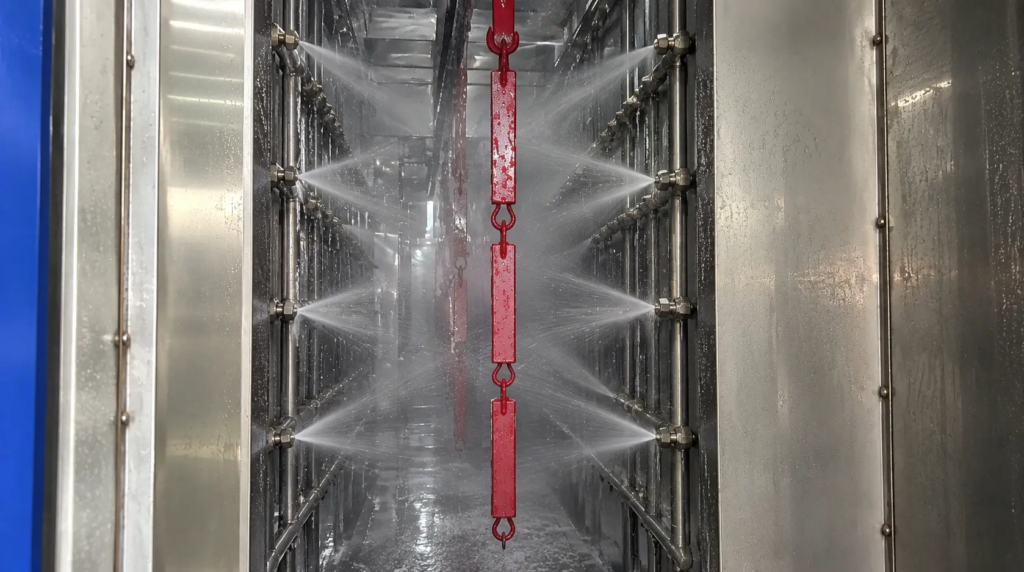
Spray Pretreatment Systems
Spray systems apply cleaning or treatment solutions to components through strategically positioned spray nozzles. They can be integrated into conveyorised production lines and are often considered for components that can be reached effectively by the spray arrangement.
System design should account for component orientation, spray coverage, drainage and the requirements of each process stage.
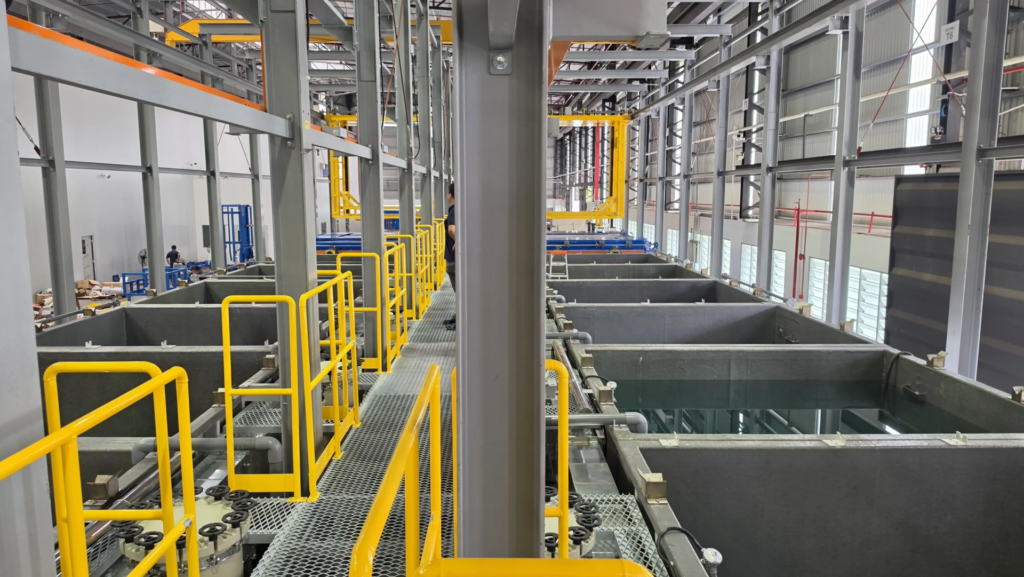
Immersion Pretreatment Systems
Immersion systems treat components by placing them into tanks containing the relevant cleaning or treatment solution. This approach can be suitable for components that require contact with the solution across multiple surfaces.
The design must consider tank dimensions, component movement, drainage, solution management and the suitability of the process for the component geometry.
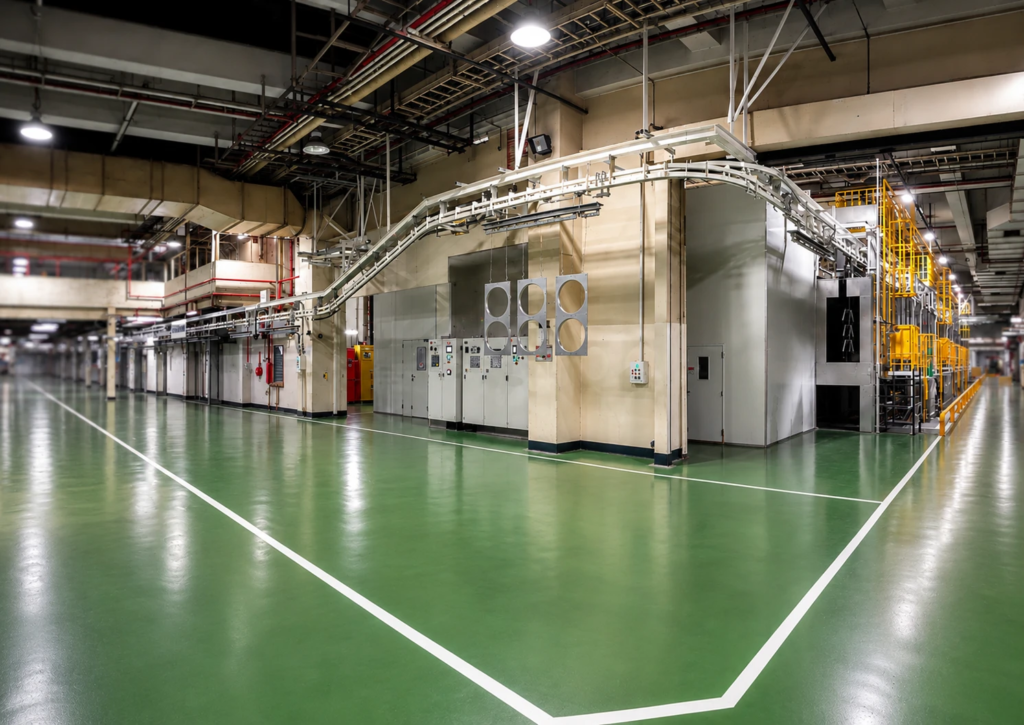
Integrated Conveyorised Pretreatment Lines
Conveyorised systems transport components through multiple process stages in a planned sequence. Depending on the application, the line may combine cleaning, rinsing, surface treatment and drying before transferring components to the coating operation.
Integration can help coordinate material flow between pretreatment and downstream equipment. The final configuration should reflect actual production requirements rather than a one-size-fits-all arrangement.
How to Choose the Right Pretreatment Line
1. Substrate and Component Geometry
Identify the materials being processed, their dimensions and their shape. Complex geometries may require special consideration to achieve suitable cleaning, treatment coverage and drainage.
2. Coating Technology and Quality Requirements
The pretreatment process must be compatible with the intended coating system. Powder coating, wet paint and ED coating can have different surface preparation requirements, so the process should follow the applicable coating specification.
3. Production Volume and Line Speed
Consider the required production throughput, operating hours, product mix and expected future demand. These factors influence the number of process stages, conveyor arrangement and overall system capacity.
4. Chemical and Water Management
Evaluate chemical handling, rinse-water quality, wastewater treatment, replenishment requirements and environmental controls. These considerations should be included early in the system design.
5. Factory Layout and Equipment Integration
Available floor space, component handling, conveyor routes and connection to existing coating equipment can affect the overall system configuration.
6. Maintenance and Process Control
Consider accessibility for maintenance, monitoring of process conditions, cleaning of equipment and the procedures needed to maintain consistent operation.
Frequently Asked Questions
Is pretreatment always necessary before powder coating?
Surface preparation is important for powder coating, but the exact pretreatment requirements depend on the substrate, powder coating specification, intended service conditions and required performance. The appropriate process should be confirmed against the relevant technical requirements.
What is the difference between cleaning and pretreatment?
Cleaning generally focuses on removing contaminants such as oil, grease and dirt. Pretreatment is a broader term that may include cleaning, rinsing and additional surface conditioning or conversion treatment before coating.
Can one pretreatment line support different coating systems?
It may be possible, depending on the process design, chemistry, contamination controls and requirements of each coating system. Compatibility must be assessed before using the same line for different processes.
What information is needed to design a pretreatment line?
Important inputs include substrate material, component dimensions, contamination levels, coating specification, production volume, required line speed, factory layout and relevant environmental requirements.